
How to Deposit with Paysafecard at Australian Betting Sites
 Available in US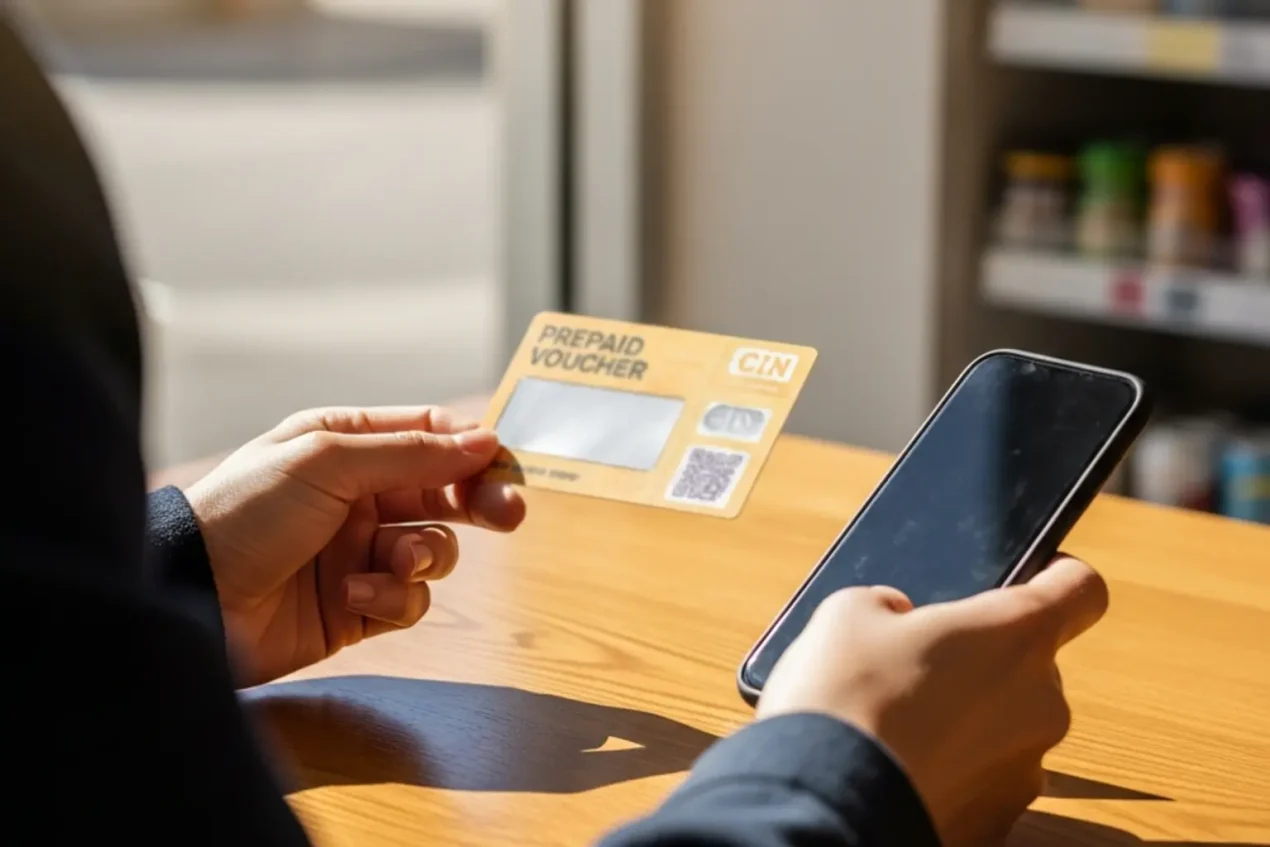
I still remember standing in a newsagent on George Street, staring at a rack of prepaid cards, trying to figure out which one would actually work at the betting site I’d just signed up with. That was years ago, and the process has gotten smoother since — but the core appeal of Paysafecard remains the same. You walk in with cash, walk out with a 16-digit PIN, and minutes later that money is sitting in your betting account. No bank details shared, no credit checks, no waiting for transfers to clear.
Paysafecard is available at more than 500,000 retail outlets worldwide, and in Australia it has carved out a niche among punters who want a clean separation between their bank accounts and their betting activity. Whether you are using it because of the credit card ban that hit in June 2024, or simply because you prefer the budget discipline of a prepaid voucher, the deposit process itself is straightforward — once you know the steps. That is what this guide is for. Every detail, from buying the voucher to watching the funds land in your account, laid out so you can get it right the first time.
The full picture is in our guide to Paysafecard betting in Australia.
What You Need Before Making a Paysafecard Deposit
A mate once asked me to walk him through a Paysafecard deposit over the phone. We got to the payment screen, and then — silence. He hadn’t actually bought the voucher yet. Seemed obvious in hindsight, but it is a step people skip when they are excited about getting started. So before you touch a betting site’s cashier page, make sure you have everything lined up.
First, you need a verified account with a licensed Australian bookmaker that accepts Paysafecard. Not every operator does — acceptance varies, and some sites that list Paysafecard as a payment method might only offer it for certain account types or deposit tiers. Log in, navigate to the deposit section, and confirm Paysafecard appears as an option before you spend money on a voucher.
Second, you need the voucher itself. Paysafecard vouchers are sold in fixed AUD denominations at participating retailers and through select online platforms. Each voucher comes with a unique 16-digit PIN printed on the receipt or delivered digitally. That PIN is everything — it is your payment credential, your balance reference, and your transaction key. Lose the PIN, lose the funds. Treat it like cash.
Third, check the bookmaker’s minimum deposit threshold. Most Australian operators set a minimum somewhere between $5 and $20 for Paysafecard deposits, but the number varies. If you buy a $10 voucher and the site requires a $20 minimum, you are stuck — you will need a second voucher to top up the amount. I have seen this trip up first-timers more than once.
Fourth, have your identity documents ready. Australian bookmakers are required to verify your identity under the Interactive Gambling Act and anti-money laundering regulations. Some operators let you deposit before verification is complete, but others block the deposit until your ID is confirmed. A driver’s licence or passport typically does the job. Get this out of the way early so it does not hold up your first deposit.
Finally, decide how much you want to spend. This sounds basic, but with prepaid vouchers it is actually strategic. You cannot top up a Paysafecard once it is purchased — the balance is fixed at the point of sale. If you want $150 in your betting account but only buy a $100 voucher, you will need to either buy a second voucher or combine multiple PINs during the deposit process. Plan the amount before you buy.
Buying a Paysafecard Voucher in Australia
The first time I bought a Paysafecard in Australia, I expected it to be complicated. It wasn’t. I walked into a convenience store, told the person behind the counter I wanted a Paysafecard for $50, paid cash, and got a receipt with the 16-digit PIN on it. The whole thing took less time than buying a coffee.
In Australia, Paysafecard vouchers are available at a range of retail outlets — newsagents, service stations, and convenience stores are the most common. The major chains that stock them include selected Australia Post locations, though availability can vary by branch. You don’t need an account, you don’t need to show ID at the point of sale, and you can pay with cash. That last point matters. For punters who want zero digital footprint between their bank and their betting activity, buying a voucher over the counter with cash is as clean as it gets.
Denominations typically run from $10 up to $100 per voucher in Australian retail, though the exact values on offer depend on the store. Some outlets stock $10, $20, $30, $50, and $100 options. Others carry only a couple of those. If you need a specific amount, call ahead or check the Paysafecard sales outlet locator online to confirm what is available near you.
One thing to watch: the voucher PIN is activated the moment you pay for it. There is no separate activation step. If the receipt prints and you have the PIN, the funds are live. This also means you should check the receipt before leaving the store — make sure the PIN is legible and the denomination matches what you paid. I have heard of cases where a printing error left part of the PIN unreadable, and sorting that out through Paysafecard’s support team takes time you probably don’t want to spend.
Digital wallet transactions in Australia grew 23 times over since 2019, with AUD 160 billion flowing through mobile wallets alone in 2024. Prepaid vouchers sit alongside that digital shift as a parallel track — physical purchase, digital use. They serve punters who want the convenience of instant online deposits without connecting a bank account or card to the betting platform.
Online Purchase vs Retail Outlets — Key Differences
Not everyone wants to walk into a shop. Maybe you are in a rural area with limited retail options, or maybe it is 11pm and the newsagent closed hours ago. Online purchase fills that gap, but it comes with trade-offs you should understand before choosing one route over the other.
Buying in-store means cash payment, no digital trail, and immediate access to the PIN. You can physically hold the receipt. The downside is that you are limited to whatever denominations that particular store stocks, and you need to be physically present during business hours. For punters who value privacy above all else, retail is the cleaner option.
Buying online — through Paysafecard’s own platform or authorised third-party resellers — gives you access anytime. You can purchase from your phone while sitting on the couch. The PIN is delivered digitally, usually to your email or within a My Paysafecard account. But here is the catch: online purchases typically require a payment method to buy the voucher. That means a debit card, bank transfer, or another digital payment. So the privacy advantage of prepaid gets diluted. You are effectively using a bank-linked method to buy a prepaid product — which makes sense for convenience, less so for anonymity.
Around 39% of debit card transactions and 33% of credit card transactions in Australia now go through digital wallets. The infrastructure for digital purchases is mature and trusted. But if your primary reason for using Paysafecard is to keep betting activity off your bank statement, buying the voucher with a debit card somewhat defeats that purpose. The transaction will show up as a Paysafecard purchase. Your bank won’t see the betting deposit, but they will see you bought a prepaid voucher.
My recommendation for most punters: if privacy matters, buy in-store with cash. If speed and convenience matter more, buy online and accept the minor trade-off. Either way, the PIN works identically once you have it.
Step-by-Step Deposit Process at a Betting Site
Here is where the rubber meets the road. I have walked dozens of people through this process over the years, and every time the reaction is the same: “That’s it?” Yes, that is it. The deposit itself is genuinely simple once you have the PIN in hand. But let me break it down step by step so nothing catches you off guard.
Log into your betting account. Navigate to the cashier or banking section — the exact label varies by operator, but it is usually under “Deposit”, “Banking”, or a wallet icon in the top-right corner. Select Paysafecard from the list of available payment methods. If you don’t see it, the operator either doesn’t support it or has it listed under a different category like “Prepaid” or “Voucher”.
Enter the deposit amount. This is the amount you want to transfer from your voucher to your betting account. It must be at or above the operator’s minimum and at or below either the operator’s maximum or your remaining voucher balance — whichever is lower. If you try to deposit more than the voucher holds, the transaction will fail.
You will be redirected to a Paysafecard payment page. This is a secure page operated by Paysafe, not the bookmaker. It will ask you to enter your 16-digit PIN. Type it carefully. There is usually no auto-correction, and a wrong digit means a failed transaction. Some punters copy-paste the PIN if they purchased online — that works and eliminates typo risk.
Confirm the transaction. Once you enter the PIN and confirm, the system checks the voucher balance, verifies the amount, and processes the transfer. In most cases, the funds appear in your betting account within seconds. I have timed it — rarely more than 30 seconds from confirmation to funds showing in the balance.
Check your betting account balance to confirm the deposit arrived. Then check your Paysafecard balance. If you deposited less than the full voucher amount, the remainder stays on the PIN for future use. You can check the remaining balance on the Paysafecard website or app at any time.
One thing that trips people up: if the deposit fails, the funds are not deducted from the voucher. They stay on the PIN. You can try again immediately. Common failure reasons include entering the PIN incorrectly, attempting to deposit below the site’s minimum, or a temporary technical issue on the operator’s end. If repeated attempts fail, contact the bookmaker’s support — the issue is almost always on their side, not Paysafecard’s.
For anyone who needs a more detailed walkthrough of deposit limits and fee structures across different operators, that is worth reading before your first real-money deposit.
Depositing via My Paysafecard Account — Quick Steps
About two years into using Paysafecard regularly, I finally set up a My Paysafecard account — and immediately wondered why I hadn’t done it sooner. The account doesn’t change how deposits work at betting sites, but it changes how you manage the vouchers themselves.
A My Paysafecard account is a free online account linked to your email. You register on the Paysafecard website, verify your identity, and then you can upload multiple voucher PINs into a single account balance. Instead of juggling individual PINs for each voucher, everything consolidates into one dashboard. When you make a deposit at a betting site, you log into your My Paysafecard account instead of entering a raw PIN. The deposit draws from your combined balance.
The process for depositing via the account is nearly identical to the PIN-based process. At the bookmaker’s cashier, select Paysafecard, enter your amount, and when redirected to the payment page, log in with your My Paysafecard credentials instead of typing a 16-digit PIN. The system pulls from your account balance. Same speed, same result, fewer digits to type.
There are a couple of practical advantages. First, you can combine partial balances. If you have $12 left on one voucher and $35 on another, uploading both to the account gives you a $47 balance to work with — no need to figure out how to split a deposit across two PINs. Second, the account keeps a transaction history. You can see every deposit, every balance top-up, and every remaining balance in one place. For punters who use Paysafecard regularly, this is genuinely useful for tracking spending.
The limitation worth knowing: setting up the account requires identity verification. You’ll need to provide personal details and confirm your identity, which means you lose some of the anonymity that comes with single-use vouchers. For regular bettors who value consolidated balance management, the account is worth setting up. For occasional users who prioritise maximum privacy, sticking with individual PINs makes more sense.
Minimum Deposit Amounts and Denominations
The question I get asked more than any other about Paysafecard deposits is not how to do it — it’s how much. Specifically: what is the minimum, and does it match the voucher denominations actually available in Australia? The answer is not as tidy as you would hope.
Australian bookmakers set their own minimum deposit thresholds for Paysafecard. These typically fall between $5 and $20, but there is no industry standard. One operator might accept a $5 Paysafecard deposit while another requires $10 or $20. You need to check each site individually. The minimum is usually listed on the deposit page next to the Paysafecard option, or buried in the site’s banking FAQ.
Voucher denominations in Australia generally start at $10 and go up to $100 for individual PINs purchased at retail outlets. The most common denominations are $10, $20, $30, $50, and $100. If a bookmaker’s minimum is $10 and you buy a $10 voucher, you are covered exactly. But if the minimum is $20 and you only have a $10 voucher, you will need to either buy another voucher or use a My Paysafecard account to combine balances.
The credit card ban that came into effect on 11 June 2024 — carrying penalties of up to AUD 247,500 for non-compliance — pushed a wave of punters toward prepaid methods. Many of those people had never thought about voucher denominations before. They were used to typing any amount into a credit card deposit field. With Paysafecard, you are working with fixed increments, and that requires a small mental adjustment.
Maximum deposits per transaction also vary by operator. Some cap a single Paysafecard transaction at $200 or $500, while others allow up to $1,000 or more. The voucher itself has a maximum value of $100 per PIN in most Australian retail outlets, so reaching a higher deposit limit means combining multiple PINs. Most betting sites allow you to enter more than one PIN per transaction — the payment page will typically offer an “Add another PIN” option after the first one is entered.
My practical advice: buy the voucher denomination that matches or slightly exceeds the minimum deposit at your chosen bookmaker. If you want to deposit $50, buy a $50 voucher. Don’t buy five $10 vouchers thinking you’ll combine them easily — while combining works, it adds friction and increases the chance of a typo. One PIN, one deposit, one clean transaction.
Deposit Speed and Confirmation
Speed is the reason I started recommending Paysafecard to impatient punters years ago. In an era where bank transfers can take hours and BPAY deposits sometimes stretch to a full business day, Paysafecard deposits are almost embarrassingly fast.
From the moment you confirm the transaction on the Paysafecard payment page, funds typically appear in your betting account within seconds. Not minutes — seconds. The technical reason is simple: Paysafecard is a prepaid system with pre-cleared funds. There is no bank authorisation step, no pending period, no clearing house in the middle. The money already exists on the voucher. The deposit is a transfer from a pre-funded instrument to the operator’s payment processor, and that happens in real time.
Confirmation usually comes in two forms. The betting site will update your account balance immediately, and you should see the deposit reflected on the main page or in your transaction history. Some operators also send an email or push notification confirming the deposit. If you don’t see the balance update within a minute, refresh the page. Nine times out of ten, the funds are there — the display just hasn’t caught up.
On rare occasions, a deposit can be delayed. The most common cause is a temporary connectivity issue between the bookmaker’s payment gateway and Paysafecard’s processing system. This happens maybe once in a hundred transactions in my experience, and it usually resolves within a few minutes. If the funds haven’t appeared after 15 minutes, check your Paysafecard balance first. If the balance has been deducted from the voucher but hasn’t arrived at the bookmaker, the transaction is in limbo — contact the bookmaker’s support team with your transaction reference and PIN details. They can trace it on their end.
If the voucher balance hasn’t changed, the transaction didn’t go through at all. This means you can try again immediately. The most likely culprit is a timeout or a temporary server issue. A second attempt almost always works.
Depositing After the 2024 Credit Card Ban
June 2024 changed the deposit landscape for Australian punters overnight. The federal government banned credit cards for online gambling, and the enforcement was immediate — operators faced fines of up to AUD 247,500 for non-compliance. Punters who had been swiping Visa or Mastercard for years suddenly needed alternatives. Paysafecard was already there, but demand shifted in ways worth understanding.
The ban specifically targets credit cards. Debit cards remain legal for betting deposits, and prepaid vouchers like Paysafecard were never in the regulatory crosshairs. Communications Minister Michelle Rowland framed the legislation as a protection measure — the principle being that Australians should not gamble with borrowed money. Prepaid vouchers, by design, only let you spend money you already have. That alignment with the ban’s philosophy put Paysafecard in a stronger position than it had been before.
In 2024, digital payments accounted for 53% of all e-commerce transactions in Australia, surpassing card-based payments and cash for the first time. Within the betting sector, the credit card ban accelerated a shift that was already underway. Punters who might have stayed on credit cards indefinitely were forced to explore debit cards, bank transfers, PayID, and prepaid options. For some, Paysafecard turned out to be a better fit than the credit card it replaced — not because it was a workaround for the ban, but because the hard spending limit of a prepaid voucher introduced budget discipline they hadn’t had before.
GlobalData’s lead analyst Shivani Gupta pointed to the broader trend driving this shift: the availability of secure online payment tools, a growing pool of online shoppers, and the expansion of payment options across merchants. The betting industry is riding the same wave. As digital payment infrastructure matures, prepaid methods benefit from the same trust and convenience that power the broader ecosystem.
One thing the ban did not change: Paysafecard’s limitations. You still cannot withdraw to a Paysafecard voucher. The deposit process is identical to what it was before the ban. And the voucher denominations available in Australian retail outlets have not expanded in response to increased demand. What has changed is the context. Before June 2024, using Paysafecard for betting was a preference. After the ban, for punters who don’t want to link a debit card or bank account, it became closer to a necessity.
Where Your First Deposit Fits Into the Bigger Picture
Eight years of analysing prepaid payment methods for Australian betting have taught me one thing above all: the deposit is the easy part. Getting the voucher, entering the PIN, watching the balance update — that takes five minutes. The harder part is everything around it. Choosing the right denomination. Understanding which bookmakers accept the method. Knowing that you’ll need a separate withdrawal path when you win.
A worked example is Paysafecard at Bet365.
Paysafecard works well for what it is — a prepaid deposit tool with instant processing, no bank data exposure, and a built-in spending cap. It does not try to be a complete payment solution, and the punters who get the most out of it are the ones who understand that scope from the start. Buy the voucher, make the deposit, and have your withdrawal method sorted before you place your first bet. That is the workflow that avoids surprises.
The Australian betting landscape is still adjusting to the credit card ban, and prepaid methods are part of that adjustment. Whether Paysafecard remains the right fit for you depends on how you weigh speed, privacy, budget control, and the minor inconvenience of buying a voucher. For many punters, that trade-off works out well.
Can I combine multiple Paysafecard PINs in a single deposit?
Yes. Most Australian betting sites allow you to enter more than one PIN during the deposit process. The payment page typically includes an option to add another PIN after the first one is entered. You can also upload multiple PINs into a My Paysafecard account and deposit from the combined balance.
Which Paysafecard denomination is best for a first-time betting deposit?
Match the denomination to your bookmaker’s minimum deposit. If the site requires a $10 minimum, a $10 or $20 voucher is a sensible starting point. Buying a single voucher that covers your intended deposit amount avoids the hassle of combining multiple PINs.
How long does a Paysafecard deposit take to appear in my betting account?
Paysafecard deposits are processed in real time. Funds typically appear in your betting account within seconds of confirming the transaction. Delays beyond a minute are rare and usually caused by temporary connectivity issues between the bookmaker and Paysafecard’s payment system.
Do I need to verify my identity before depositing with Paysafecard?
Australian bookmakers are legally required to verify your identity under anti-money laundering regulations. Some operators allow you to deposit before verification is complete, while others require it first. Have a valid driver’s licence or passport ready to avoid delays.
