
BPAY for Betting Deposits in Australia — How It Compares to Paysafecard
 Available in US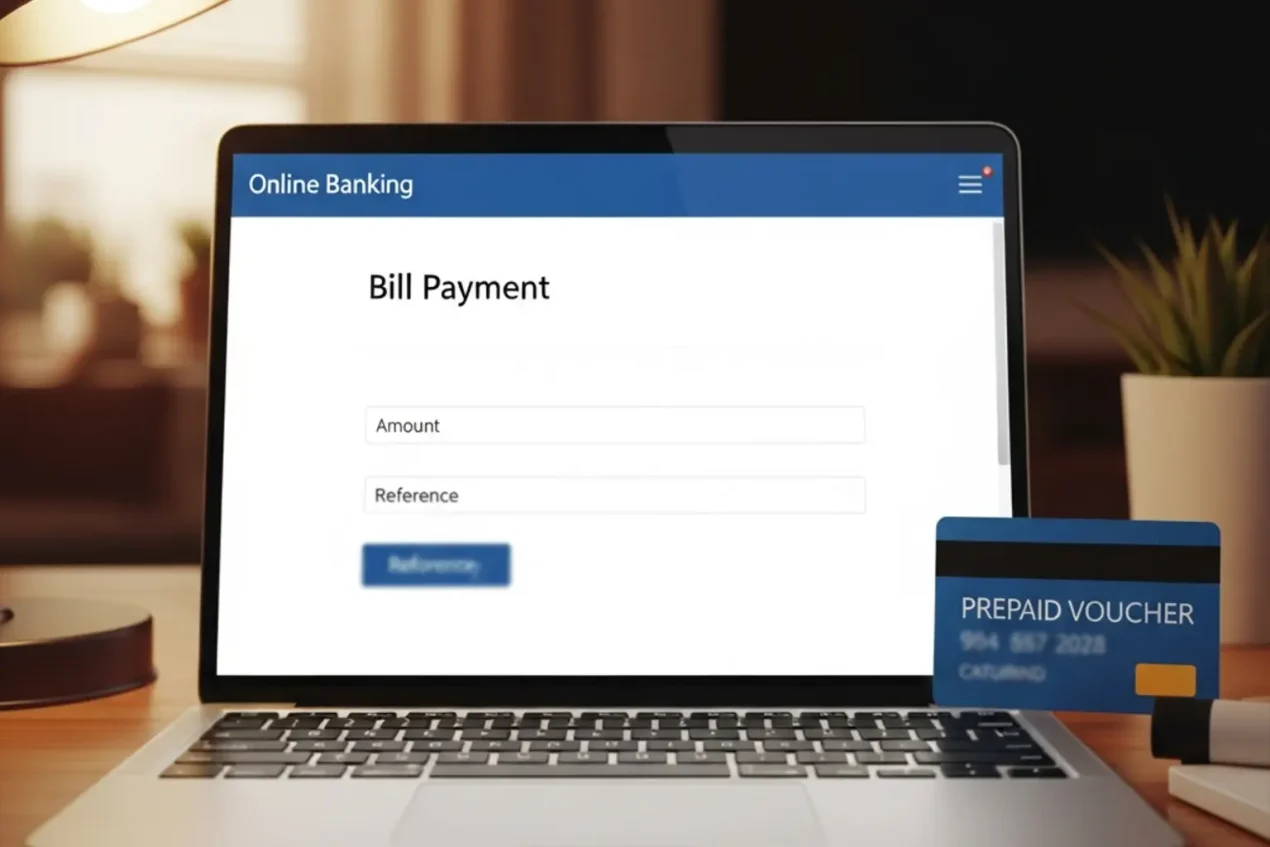
In 2024, 39% of debit card transactions in Australia were processed through digital wallets, but BPAY operates in a completely different lane — one that predates the digital wallet era and runs on infrastructure most Australians already use for utility bills and insurance premiums. I first encountered BPAY as a betting deposit method when a punter told me he’d funded his account the same way he pays his electricity bill. That comment perfectly captures both BPAY’s strength and its weakness for gambling: it’s familiar, reliable, and painfully slow.
The wider context sits in our guide to Paysafecard betting in Australia.
How BPAY Works at Australian Betting Sites
BPAY is a bill payment system embedded in Australian online banking. When a bookmaker offers BPAY as a deposit method, they provide you with a biller code and a reference number. You log into your bank, select BPAY, enter those details, specify the amount, and submit. The payment is processed through the BPAY network — not in real time.
That last part is the critical distinction. BPAY was designed for scheduled payments, not instant transactions. Processing typically takes one to three business days, though some banks and some operators report faster turnaround. On a Friday afternoon, a BPAY deposit might not land in your betting account until Monday or Tuesday. For a punter trying to fund before a Saturday match, that timeline is a dealbreaker.
The system’s strength is its integration into every Australian bank. If you have an Australian bank account with online banking access, you can use BPAY. No additional registration, no separate app, no new credentials to manage. The biller code and reference number are all you need, and bookmakers provide these on their deposit page.
BPAY vs Paysafecard — Speed, Limits, and Privacy
The speed gap between these two methods is the largest in any deposit comparison I’ve conducted. Paysafecard: instant. BPAY: one to three business days. For time-sensitive deposits — pre-match funding, live betting preparation, reacting to a promotional offer — Paysafecard wins categorically. BPAY is a planning tool, not a reaction tool.
On deposit limits, BPAY has the advantage. Because it draws directly from your bank account, the deposit amount is limited only by your bank’s daily transfer cap and the bookmaker’s BPAY maximum. Deposits of $500, $1,000, or more are straightforward. Paysafecard’s retail ceiling of $100 per voucher means larger deposits require multiple PINs — workable but less convenient.
Privacy tilts toward Paysafecard. A BPAY payment appears on your bank statement with the biller code and typically the bookmaker’s name or a recognisable abbreviation. Your bank knows you paid a betting operator. With Paysafecard (cash-purchased), your bank sees nothing. Anna Bligh, CEO of the Australian Banking Association, has noted that mobile wallet usage continues to surge and is closing in on physical cards and cash — but BPAY remains stubbornly analogue in its statement footprint, making every betting deposit visible to anyone reviewing your banking history.
Australia’s digital payment market reached USD 142.7 billion in 2025, projected to hit USD 728.1 billion by 2034. Within that landscape, BPAY represents the legacy infrastructure that still handles specific use cases well — large, planned transfers where speed isn’t critical. Paysafecard represents the newer, privacy-first approach optimised for smaller, immediate, and discreet transactions.
When BPAY Is the Better Choice
I’ll be honest: BPAY isn’t the better choice for most betting deposit scenarios. But there are situations where its characteristics align with specific needs.
Large planned deposits favour BPAY. If you’re funding a betting account with a substantial amount at the start of a season — say, your full AFL budget for the year — a single BPAY transfer handles it without the hassle of buying and combining multiple Paysafecard vouchers. You plan the deposit days in advance, initiate the transfer, and the funds arrive before the season starts.
Punters who prefer their existing banking workflow also gravitate toward BPAY. They already use it for every other bill, the process is muscle memory, and adding a bookmaker to their BPAY list feels natural. No new apps, no new payment methods to learn, no vouchers to buy. That simplicity has value for people who don’t want to manage additional payment products.
Emergency funding is not BPAY’s strength. If your account balance hits zero on a Saturday afternoon and you need funds now, BPAY can’t help. Paysafecard, a debit card, or PayID are the methods that deliver when timing matters.
There’s also a niche use case I’ve observed among older punters who distrust entering card details on betting websites. BPAY lets them fund a betting account without ever sharing a card number online — the transaction runs entirely through their familiar banking portal. The biller code and reference number are the only data entered at the bookmaker’s site. For this cohort, BPAY’s slowness is an acceptable trade-off for the comfort of staying within their trusted banking environment.
BPAY’s Drawbacks for Betting Deposits
Speed is the headline drawback, but it’s not the only one.
The faster bank rail is PayID.
No withdrawal support is a limitation BPAY shares with Paysafecard. You can deposit via BPAY, but you can’t withdraw via BPAY. Winnings must be withdrawn through bank transfer, PayID, or an e-wallet. This means BPAY users, like Paysafecard users, need a separate withdrawal method configured in their account.
Weekend and public holiday processing gaps compound the speed issue. BPAY transfers initiated on a Friday evening may not process until Monday. During holiday periods — Easter, Christmas — delays extend further. For a betting market that operates seven days a week and peaks on weekends, a payment system that effectively pauses on weekends is a poor fit for reactive depositing.
Statement visibility is a privacy concern. Unlike Paysafecard, which can be purchased anonymously with cash, BPAY leaves a clear record in your banking history. The biller code, the reference number, and often the operator’s name appear on your statement. For punters seeking discretion, this is a non-starter.
No budget-control mechanism exists within BPAY. You can transfer any amount up to your bank’s limit, at any time, without any structural barrier. The discipline must come entirely from the punter, not the payment method. Paysafecard’s fixed denomination builds the discipline into the product. For a fuller picture of how PayID compares to both BPAY and Paysafecard — particularly on the speed dimension — the PayID betting guide covers the fastest bank-linked alternative.
How long does a BPAY deposit take at an Australian betting site?
BPAY deposits typically take one to three business days to process. Weekend and public holiday transfers may take longer. This makes BPAY unsuitable for time-sensitive deposits before matches or events. Plan BPAY deposits well in advance of when you need the funds in your account.
Can I withdraw to BPAY after depositing with Paysafecard?
No. BPAY is a deposit-only method at betting sites, just like Paysafecard. You cannot withdraw winnings via BPAY regardless of which deposit method you used. Withdrawals require a separate method such as bank transfer, PayID, or an e-wallet.
Does BPAY have lower fees than Paysafecard for betting deposits?
BPAY deposits are generally fee-free from the bookmaker’s side, and most banks don’t charge for BPAY payments. Paysafecard deposits are also fee-free at most bookmakers, though the voucher may incur inactivity fees if unused. On a per-deposit basis, both methods are typically free, making the fee comparison a draw.
