
PayID for Betting in Australia — Speed, Limits, and How It Stacks Up Against Paysafecard
 Available in US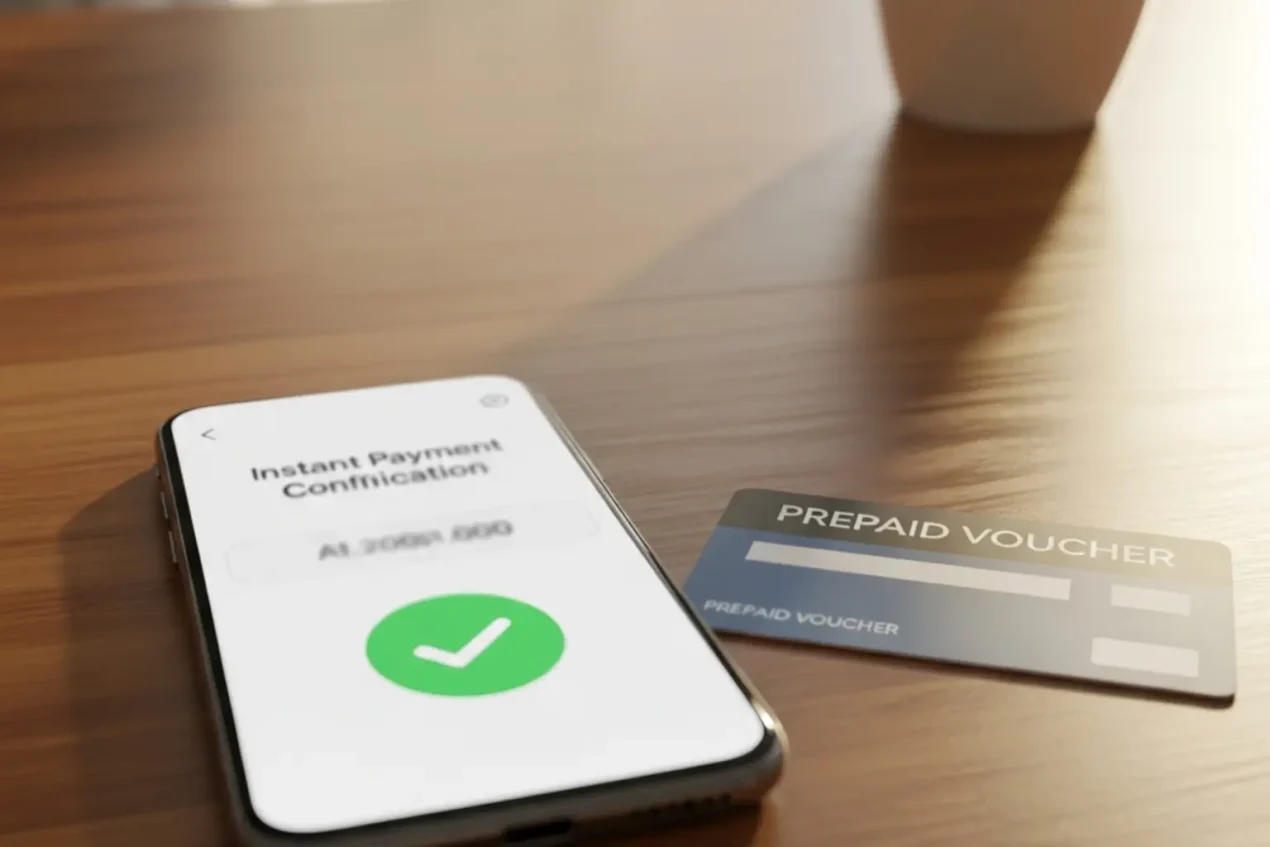
Digital wallet volume in Australia surged from AUD 126 billion in 2023 to AUD 166.6 billion in 2024 — a 32.2% jump — and PayID sits at the centre of that acceleration. I’ve watched PayID go from a novelty to a default payment option at Australian bookmakers in under three years, and its growth makes sense: it’s fast, fee-free, and built into every major Australian bank’s infrastructure. But “fast and free” doesn’t mean “best for everyone,” and the comparison with Paysafecard reveals a genuine trade-off between convenience and control.
The wider context sits in our guide to Paysafecard betting in Australia.
How PayID Works for Betting Deposits and Withdrawals
PayID is Australia’s real-time addressing system for bank transfers, managed through the New Payments Platform (NPP). Instead of sharing your BSB and account number, you link a PayID — typically your phone number or email address — to your bank account. Transfers using PayID settle in seconds, 24 hours a day, seven days a week.
For betting deposits, the process is simple: select PayID at the bookmaker’s cashier, enter the operator’s PayID details (or receive them pre-filled), switch to your banking app, confirm the payment, done. The deposit arrives in your betting account within seconds. Digital wallet transactions in Australia have grown 23 times since 2019, and PayID’s real-time settlement capability has been a major contributor to that growth.
Here’s where PayID genuinely outperforms Paysafecard: withdrawals. PayID supports both deposits and withdrawals at most Australian bookmakers. When you want to cash out winnings, you can receive funds directly to your bank account via PayID, often within minutes. Paysafecard is deposit-only — there is no withdrawal path back to a voucher. For punters who want a single method handling both directions, PayID is the cleaner solution.
PayID and Paysafecard — Key Differences for Punters
Speed is a draw on the deposit side. Both PayID and Paysafecard deposits process in seconds. The withdrawal advantage goes entirely to PayID — minutes to your bank versus no withdrawal capability at all for Paysafecard.
Privacy is where the methods diverge sharply. PayID is linked to your bank account. The bookmaker’s records reflect a bank transfer, and your bank statement shows a transfer to the betting operator. Your betting activity is visible on your banking records, your bank knows you’re gambling, and anyone with access to your statements can see it. Paysafecard, particularly when purchased with cash, leaves no trace on your bank statement whatsoever. The bookmaker sees a prepaid PIN transaction, your bank sees nothing.
Budget control tilts toward Paysafecard. PayID can transfer any amount up to your bank’s daily transfer limit, which for most Australian accounts is thousands of dollars. There’s no inherent spending cap — you can deposit your entire available balance in one transaction if the bookmaker allows it. Paysafecard’s fixed denomination (typically capping at $100 per voucher in Australia) creates a structural ceiling that requires deliberate action to exceed.
Fees: PayID is fee-free for both sending and receiving in Australia. Paysafecard has no deposit fee at most bookmakers, but the voucher itself may be subject to inactivity fees if not used within a specified period. On a per-transaction basis, PayID is marginally cheaper because there are zero potential ancillary charges.
Availability: PayID is accepted at virtually every Australian-licensed bookmaker. Paysafecard acceptance is limited. If bookmaker choice matters to you, PayID imposes no constraints; Paysafecard may narrow your options.
Australian Bookmakers That Support PayID
The list of bookmakers accepting PayID is effectively the list of all major Australian-licensed operators. Because PayID uses the NPP infrastructure built into Australian banking, the integration cost for operators is minimal compared to adding a third-party payment method like Paysafecard. The result is near-universal adoption.
This ubiquity makes PayID the baseline deposit method in Australian betting. It’s the option that’s always there, always fast, and always free. Paysafecard, by contrast, is a specialist tool — chosen for specific qualities (privacy, budget control) that PayID doesn’t offer, at the cost of narrower bookmaker acceptance and no withdrawal capability.
For punters who primarily bet at a single bookmaker that accepts both methods, the choice is genuinely about values rather than availability. Do you value convenience and withdrawal speed? PayID. Do you value bank-statement privacy and a hard spending cap? Paysafecard. The methods aren’t competitors in the traditional sense — they serve different needs for different punter profiles.
When PayID Makes More Sense and When Paysafecard Wins
After years of comparing deposit methods for Australian bettors, I’ve found the decision usually comes down to one or two factors rather than a comprehensive feature comparison.
The other bank option is BPAY.
Choose PayID when: you want a single method for both deposits and withdrawals, you’re comfortable with betting transactions appearing on your bank statement, you need to deposit more than $100 in a single transaction, or your preferred bookmaker doesn’t accept Paysafecard. For the majority of Australian punters who aren’t specifically seeking privacy or budget-control features, PayID is the path of least resistance.
Choose Paysafecard when: you want your betting activity off your bank statement, you need a structural spending cap that prevents impulsive over-depositing, you’re applying for a mortgage or loan and want clean bank statements, or you prefer the psychological separation of using a distinct “betting fund” rather than your main bank balance. These aren’t edge cases — they represent real, common scenarios where Paysafecard’s limitations become advantages.
Some punters use both. PayID handles their regular deposits and withdrawals; Paysafecard handles specific sessions where they want tighter budget control or cleaner financial records. There’s no rule against mixing methods, and the combination covers more bases than either method alone. I’ve personally used this dual approach during periods when I wanted to separate research deposits (Paysafecard, strictly budgeted) from general account management (PayID, for convenience). The flexibility of having both set up gives you optionality without commitment to a single workflow.
One thing I’ve noticed over time: punters who start with PayID for convenience sometimes migrate toward Paysafecard for specific situations after experiencing the consequences of bank-statement visibility — a partner asking questions, a loan officer flagging transactions, or simply the discomfort of seeing gambling deposits itemised alongside groceries and utilities. The reverse migration (from Paysafecard to PayID) tends to happen when punters want faster withdrawals or find the voucher-buying process too inconvenient for regular use. For a broader comparison that includes POLi and other bank-linked options, the POLi betting guide adds another reference point to the decision.
Can I both deposit and withdraw with PayID at Australian betting sites?
Yes. PayID supports both deposits and withdrawals at most Australian-licensed bookmakers. Deposits arrive in seconds; withdrawals typically process within minutes to hours. This two-way capability is PayID’s main advantage over Paysafecard, which is deposit-only.
Is PayID faster than Paysafecard for betting deposits?
Both process in seconds, so there’s no meaningful speed difference for deposits. PayID’s speed advantage is on the withdrawal side, where Paysafecard has no capability at all. For deposits specifically, the two methods are effectively equal in processing time.
Does PayID reveal my bank details to the bookmaker?
PayID transfers show the bookmaker a bank transfer reference. Your bank statement will reflect a transaction to the betting operator. Unlike Paysafecard, which shares no bank information with the bookmaker, PayID creates a traceable connection between your bank account and your betting activity.
